
Fourth Circuit found a home interrogation was custodial in Hashime appeal
The court reversed an Alexandria conviction because of the use of statements taken before Miranda warnings during a search.
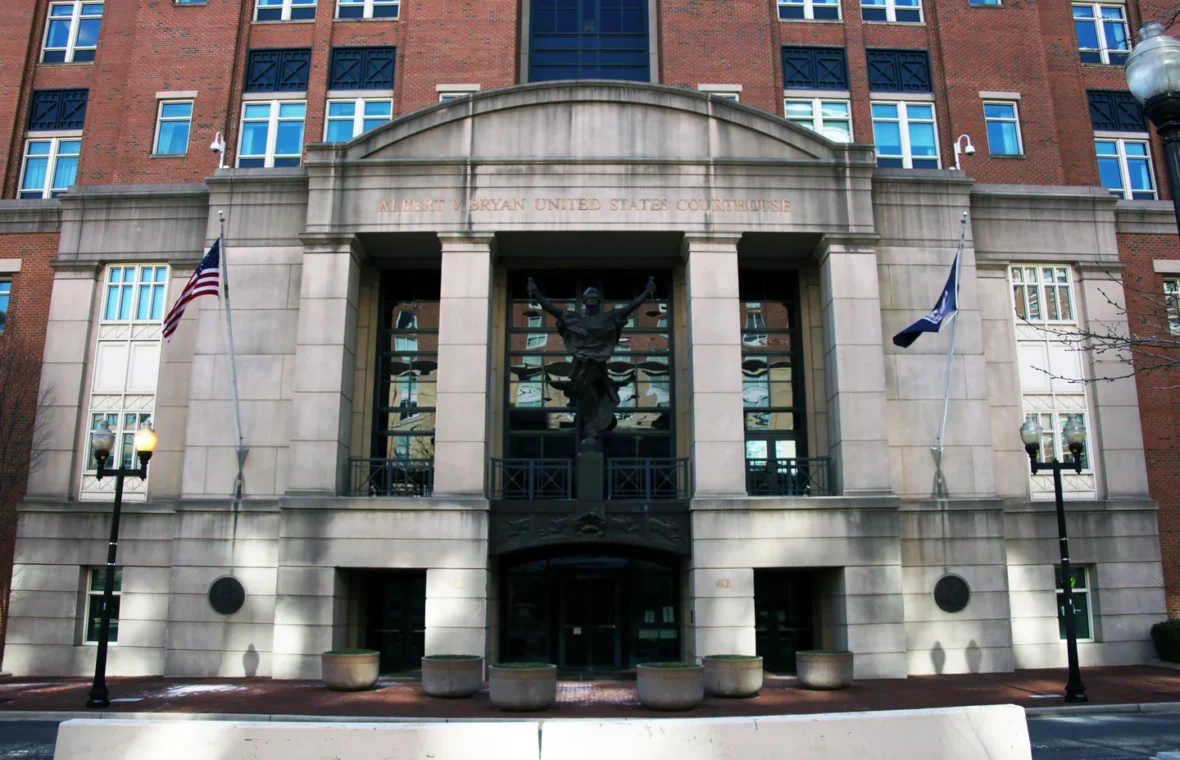
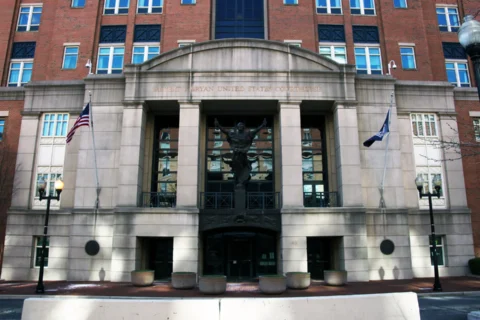
The Fourth Circuit held that an interrogation inside a person’s home can be custodial when the conditions resemble formal arrest. In United States v. Hashime, the panel reversed a conviction from the Eastern District of Virginia and sent the case back after finding that warnings came too late in an extended interrogation.
The panel considered the circumstances together, including the number of law-enforcement personnel, the separation from family and the conditions under which the questioning proceeded. Its analysis asked what a reasonable person in those conditions would have understood about the ability to end the encounter and leave. The home setting was one fact in that inquiry, with no automatic answer.
The court addressed admission of statements in the trial under review. It expressly distinguished that question from whether the warrant itself was lawfully executed, which was outside the appeal. The opinion is useful for understanding how custody and the admissibility of statements are evaluated separately.