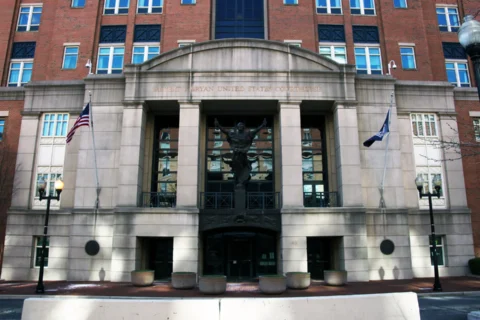

Loudoun’s library-filtering dispute tested access to the early public internet
A 1998 federal decision held that Loudoun’s mandatory filter unconstitutionally restricted what library patrons could access.
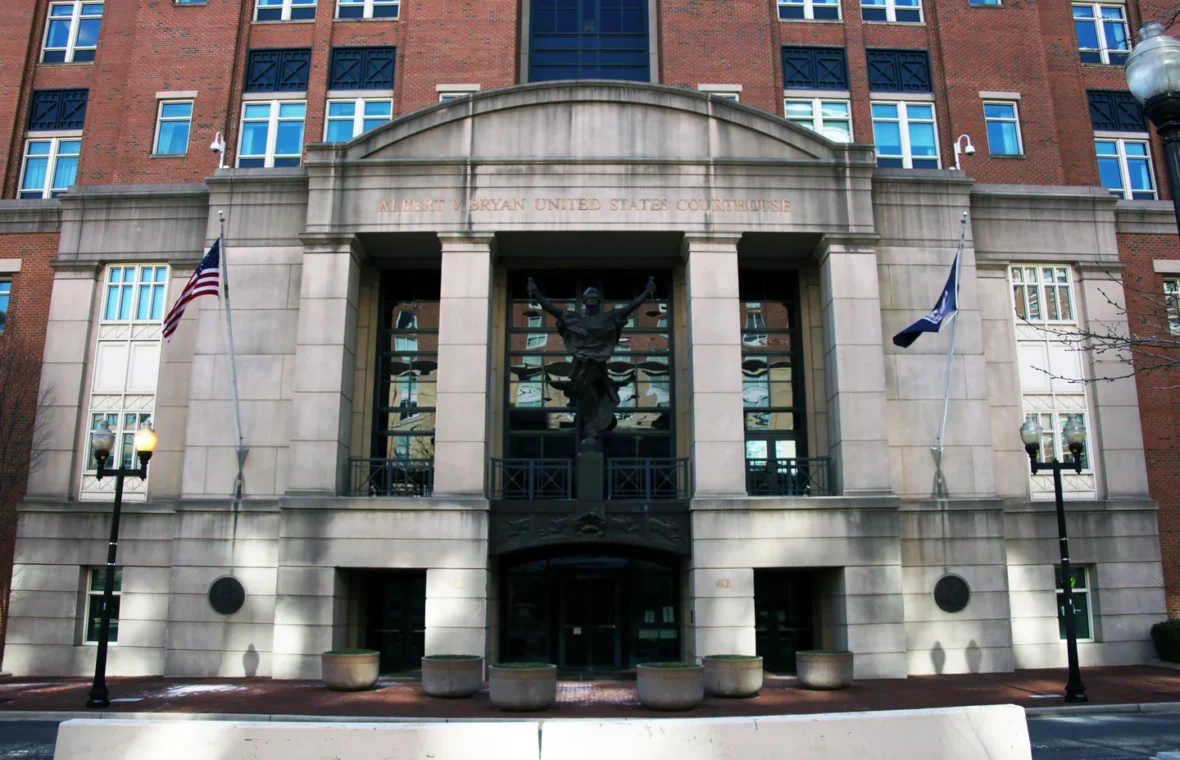
Loudoun County’s library network became an early venue for a First Amendment dispute over how public institutions filter the internet. In Mainstream Loudoun, the Eastern District of Virginia considered the county library board’s mandatory filtering policy after patrons and other challengers brought suit.
The court granted summary judgment to the plaintiffs and intervenors on the policy. It found that the system restricted protected material and that the board had not shown that the restriction was the least restrictive means of achieving its stated goals. The ruling addressed a specific county policy under which the commercial filter applied to adult users as well as minors.
Federal library-filtering law developed after this case. In 2003, the Supreme Court upheld the federal Children’s Internet Protection Act against a facial challenge in United States v. American Library Association. The later case concerned conditions on federal funding, and the justices discussed the ability to disable filters for adult users. Those features matter when comparing it with the Loudoun policy.