
McDonnell’s Richmond case narrowed the meaning of an official act
The Supreme Court vacated the former Virginia governor’s convictions after finding the jury instructions swept too broadly.
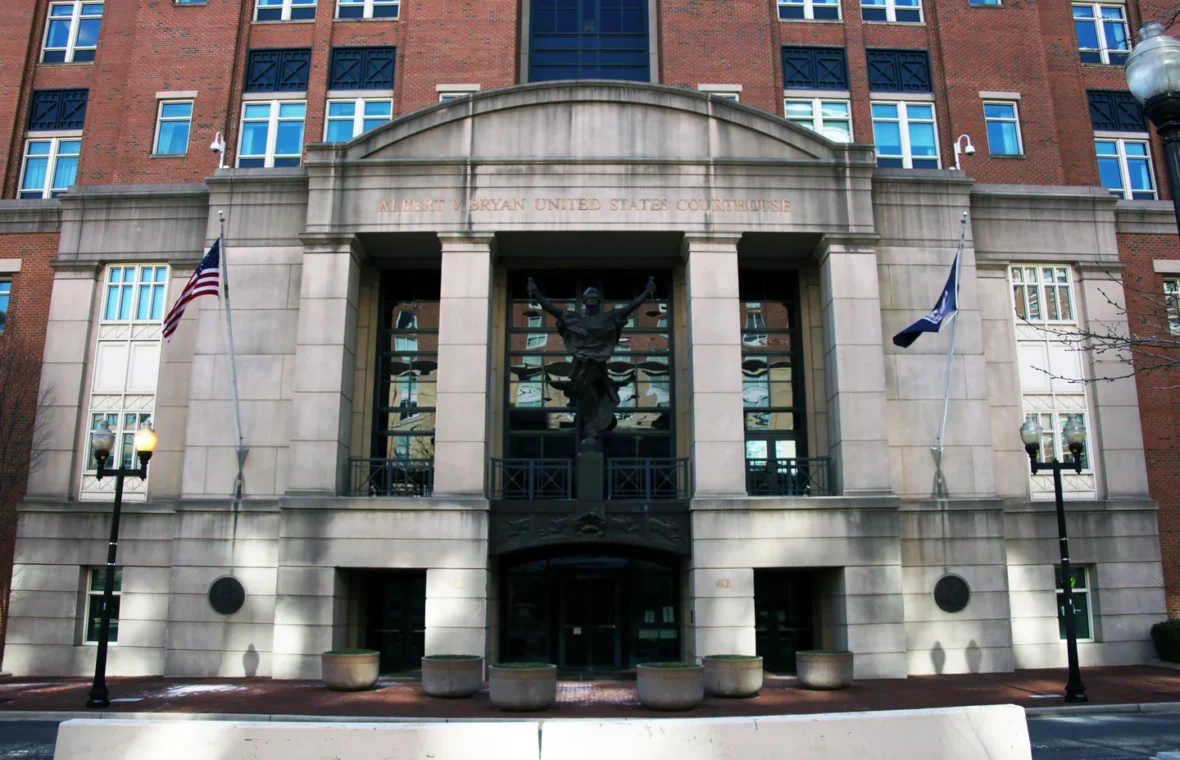
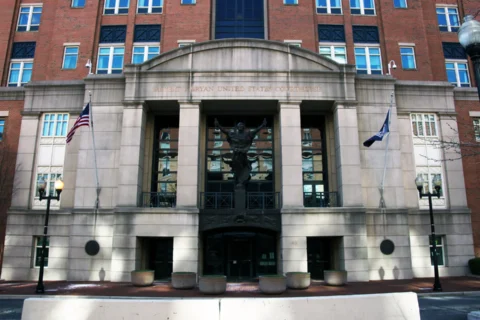
A federal prosecution in Richmond led to one of the Supreme Court’s major decisions on official acts in a corruption case. In McDonnell v. United States, the Court considered instructions given to the jury that convicted former Virginia Gov. Robert McDonnell after a trial about gifts and loans from a businessman.
The Court held that an official act requires a decision or action on a sufficiently specific and focused governmental matter involving a formal exercise of governmental power. Arranging a meeting, talking to another official or organizing an event can be evidence of action, pressure or agreement concerning a qualifying matter. Those activities on their own fall outside the Court’s definition.
The justices vacated the judgment and sent the case back. In September 2016, the Justice Department announced that it would stop pursuing the prosecution. The Fourth Circuit then granted the government’s request to return the case to district court to seek dismissal with prejudice.