
Loudoun chair’s Facebook block put an online public forum before federal judges
The Fourth Circuit affirmed a finding of viewpoint discrimination in Davison v. Randall. The Supreme Court later clarified when official social media use counts as state action.
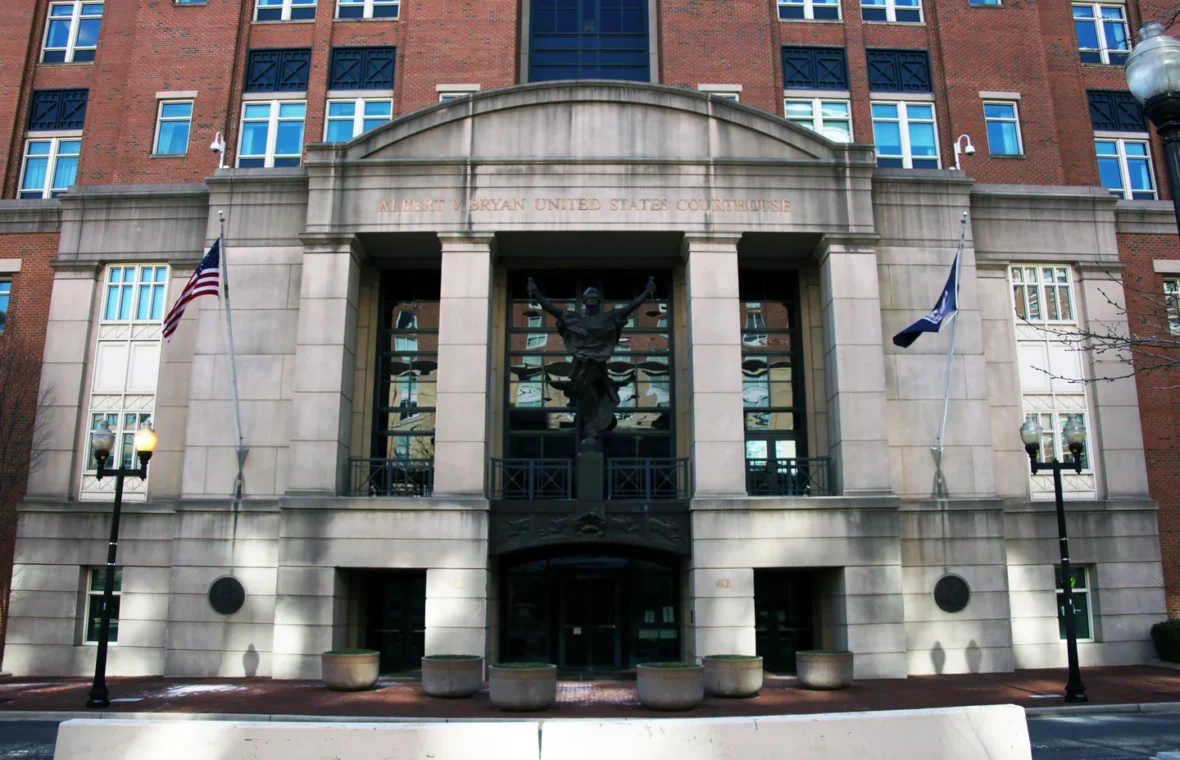
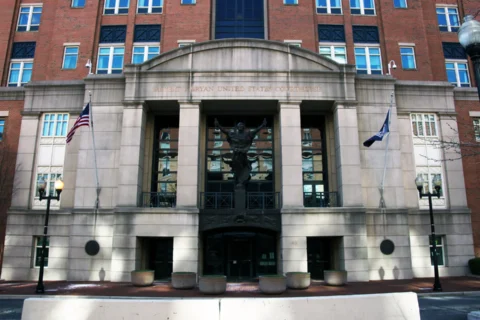
The Fourth Circuit held in 2019 that Phyllis Randall, then chair of the Loudoun County Board of Supervisors, acted under color of state law in operating the Facebook page at issue and violated the First Amendment by excluding a constituent based on viewpoint. The appeal arose from a trial in the Eastern District of Virginia.
The record described a page identified with Randall’s office and used for public-facing business and interaction with constituents. The panel focused on the interactive portion of the page. Other parts of the case involved separate questions about the county board’s liability and whether Davison could amend his complaint.
In 2024 the Supreme Court decided Lindke v. Freed, which supplies a two-part state-action test for officials’ social media conduct. It asks whether an official possessed actual authority to speak for the government on the matter and purported to exercise it. Those questions need to be answered under the later Supreme Court framework when a different account or set of posts is at issue.