
Student-loan subsidy case shows the difference between getting a trial and winning one
After earlier appeals let a False Claims Act case proceed, the Fourth Circuit upheld a jury verdict for the remaining defendant.
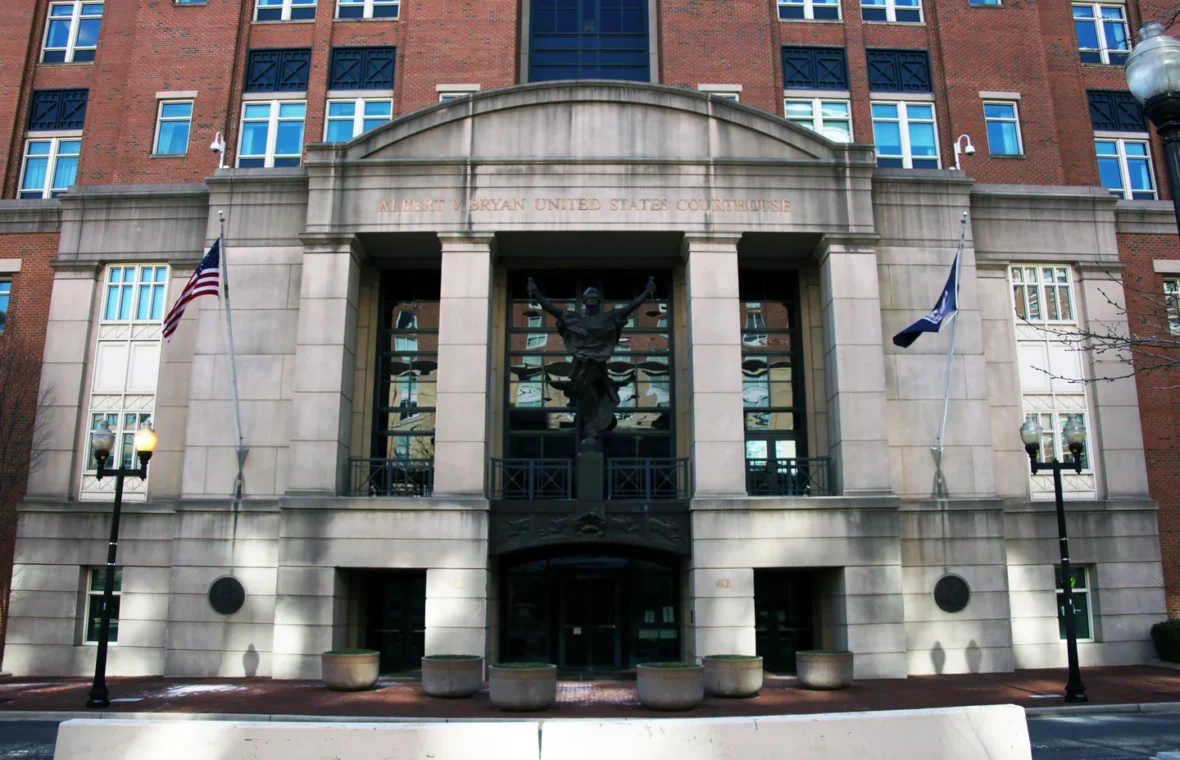
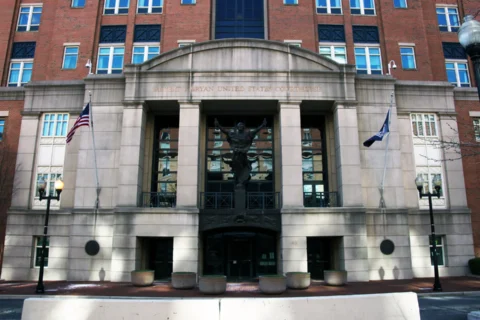
A long-running False Claims Act suit brought by Jon Oberg challenged how student lenders obtained federal subsidy payments. In January 2019 the Fourth Circuit affirmed the verdict for the Pennsylvania Higher Education Assistance Agency, the only defendant that went to trial in the Eastern District of Virginia.
Earlier appeals dealt with which entities could be sued and the scope of the litigation. The fact that Oberg overcame threshold issues for the remaining defendant did not resolve whether he could prove his federal claims at trial. Two other defendants had settled and another was dismissed, according to the appellate court’s procedural account.
The 2019 appeal followed a unanimous jury verdict for the agency. The court’s decision is a reminder to read an earlier remand together with the eventual trial result. Remand opened the way to an adjudication. The verdict and later affirmance established who prevailed after that process.