

Booking.com trademark case rejected an automatic rule for generic domain names
The Supreme Court’s decision followed a civil review proceeding in the Eastern District of Virginia.
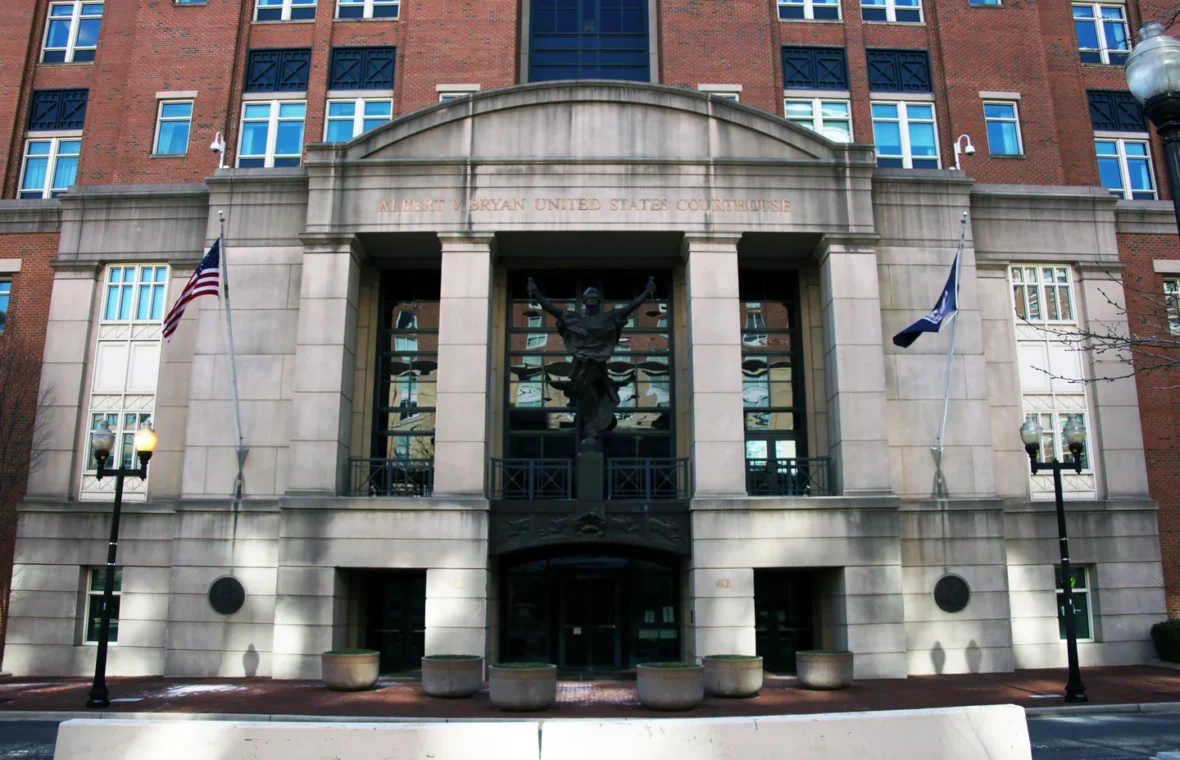
Booking.com sought to register trademarks based on the name of its reservation service. The federal trademark agency treated the name as generic. In a civil review action brought in Alexandria, the district court concluded on the evidence presented there that consumers understood Booking.com to identify a particular business rather than the entire class of hotel-reservation services.
The Supreme Court affirmed the Fourth Circuit in 2020. Its ruling rejected a categorical rule under which a generic word followed by .com would always be generic. The question turns on what the combined term means to consumers. In this record, the evidence did not show that the public used Booking.com to refer to online hotel-booking services as a class.
The decision does not make every commercially useful domain name registrable. A party still has to establish its mark’s significance where the law requires it, and trademark protection does not give a registrant exclusive use of an underlying generic word. Those guardrails mattered to the Court because competitors must remain able to describe their own services.